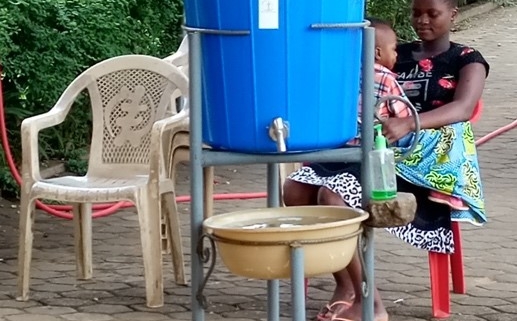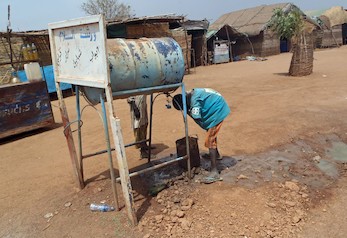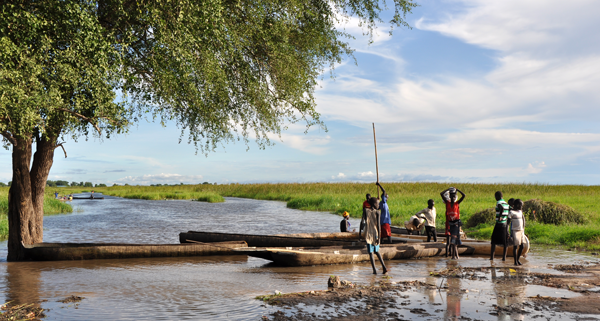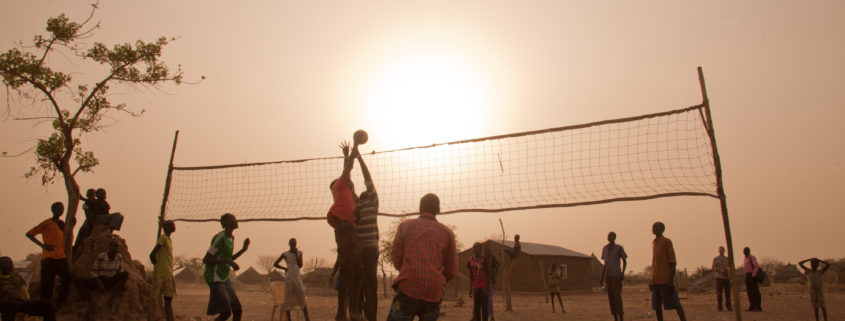
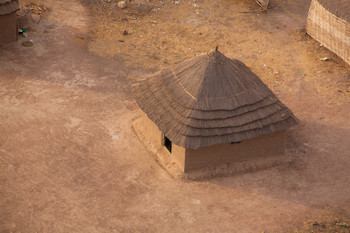
This blog reflects on COVID-19 related risks that elderly people face in South Sudan and provides recommendations on how to protect them in more conflict sensitive ways. Unlike many Western countries, where some elderly people reside in care homes or on their own, in South Sudan older people usually live within their family households. As such they are looked after by their children, usually their sons and daughters-in-law, and sometimes daughters. Being with the family…
About CSRF
The Conflict Sensitivity Resource Facility (CSRF), initiated in 2016, supports the use of conflict sensitivity in donor strategies and programmes in South Sudan.
Entries by CSRF
Chiefs play a critically important role in communities’ right across South Sudan. They play a vital role in settling disputes, preventing armed conflict and fostering peace within and between communities. As the key intermediaries between local communities and higher levels of government, UN agencies and international NGOs, they have an essential role to play in informing, sensitizing and mobilizing community members around critical social issues, such as COVID-19. However, due to their age many chiefs…
In this blog, Paul Richards reflects on what aid agencies in South Sudan can learn from the Ebola response in West Africa. Perhaps the most critical is that the response to an infectious disease is most effective, and conflict sensitive, when it works with communities and supports their initiatives, and is least effective when local knowledge is ignored or disregarded. The number of cases of COVID-19 in South Sudan is rising, and there is a…
In this blog post, Leslye Rost van Tonningen, the Director of CSRF, reflects on conflict sensitivity implications of COVID-19 responses in the South Sudanese context. Conflict sensitivity is more important in times of crisis or rapid change. In current crises, such as South Sudan, Syria, Yemen, Somalia or Myanmar, conflict sensitivity and context analysis are particularly critical, as the decisions with regards to who is supported, how they are supported and the support they…
As South Sudan prepares its response to COVID-19, Ranga Gworo shares reflections on how COVID-19 prevention measures have interacted so far with deeply embedded cultural practices and the implications for conflict sensitivity, alongside some practical recommendations for how aid agencies could design cultural, and conflict, sensitive measures. Even before the Government of South Sudan confirmed its first case of COVID-19 on 5 April, it had already begun to implement measures to control transmission of the…
This blog post presents the CSRF’s initial thoughts on the impact of COVID-19 on aid in South Sudan. The ground has shifted beneath our feet in ways that we have never known before. Governments around the world are grappling with how to effectively respond to the COVID-19 pandemic, borders have closed, and economies are screeching to a halt as entire countries impose lockdowns. A global humanitarian crisis on an unknown scale continues to unfold due…
Local government and conflict sensitivity This blog seeks to shed light on the interplay between peace, conflict and local government in South Sudan, and how aid agencies can more effectively engage at the local level to support peace and reconciliation. As widespread violent conflict in South Sudan has declined following the signing of the R-ARCSS, aid agencies are increasingly engaging local governments in their programmes. Local government can play an important role in both supporting…
Introduction – why the economy matters South Sudan faces three major and interlinked crises: a political crisis which is manifest in part in violent conflict and insecurity; a humanitarian crisis which feeds off the political crisis and; an economic crisis, which is fundamentally about how the resources available to South Sudan are allocated and used. While it is possible to ruin an economy very quickly, sustainably growing and developing an economy in a way that…
As South Sudan moves towards forming a Revitalized Transitional Government of National Unity (R-TGONU) in February 2020, questions around the return and resettlement of over 4.15 million South Sudanese are rising up the political agenda. There is an urgent need to consider lessons from the previous return migration and resettlement processes, and controls on returnees’ movements, particularly from those around the CPA period (2002-2012). This briefing note is part of this process, reflecting on the…
The foundation for conflict sensitivity is a strong understanding of the context. Such an understanding helps aid organisations to identify emerging risks of doing harm and opportunities to strengthen their contribution towards peace. At the CSRF we are frequently asked for tools that will help aid organisations to understand the context. Whilst these are often reasonable requests, our experience shows that tools often struggle to tap into the rich pool of local knowledge that often…
Pages
- About Our County Profiles
- Blog
- Case Studies Grid
- Central Equatoria
- Conflict Sensitivity Resource Facility South Sudan
- Contact Us
- Contribute a Repository Article
- County Profile HTML links
- County Profiles
- COVID-19 HUB
- Covid-19 information page
- CSRF About Us
- CSRF Helpdesk
- CSRF Helpdesk Form
- CSRF Login
- Dashboard
- Deliverables
- Demo
- Events
- Forgot password
- Guides, Tools and Checklists
- Helpdesk
- Home
- Latest
- Looker Studio
- Subscribe
Categories
Archive
- July 2025
- May 2025
- March 2025
- August 2024
- March 2024
- February 2024
- December 2023
- August 2023
- June 2023
- April 2023
- July 2022
- June 2022
- June 2021
- April 2021
- December 2020
- November 2020
- August 2020
- July 2020
- May 2020
- April 2020
- December 2019
- October 2019
- September 2019
- August 2019
- July 2019
- May 2019
- April 2019
- March 2019
- February 2019


© JWale2