
Wetlands are under threat globally, declining at a rate three times higher than natural forests. This isreason for concern because healthy wetlands offer a variety of essential services to humans and arecritical ecosystems in the fight against climate change.1 Yet, the governance of wetlands often fallsthrough the cracks of water governance approaches and institutions in charge of managing rivers,lakes or aquifers.2 Emblematic of this is the Sudd Wetlands [Sudd] in South Sudan. Little is knownabout…

Entries by CSRF
In early September 2021, a group of men sat in the shade of a tree in Nyang, the capital of Yirol East County. The men – some of them former cattle camp leaders – engaged in a lively discussion about livestock. In February 2021, state authorities had temporarily introduced mobile courts made up of former cattle camp leaders who successfully addressed unresolved livestock disputes and cattle raiding in Yirol East County and other counties in…
Improving collaboration, coordination and learning between humanitarians and peacebuilders is an ongoing challenge. Despite their different approaches, both groups need to rise to this challenge to help achieve their shared goal for the future of South Sudan – that South Sudanese live prosperous, dignified, and secure lives. This paper seeks to provide with a clearer understanding of how, where, and when stronger coordination, collaboration and learning between humanitarians and peacebuilders will more effectively leverage each…
South Sudan continues to face recurring violent conflict, food insecurity, corruption, and poverty. Despite positive shifts within national legislation on gender equality, political, social, and economic power in South Sudanese society continues to reflect the deep patriarchy within society. The role of women and men, reflecting the gender norms of their respective cultural milieus, in both resolving and driving conflict is often not well understood by aid actors. Patterns of marginalisation, affecting both women and…
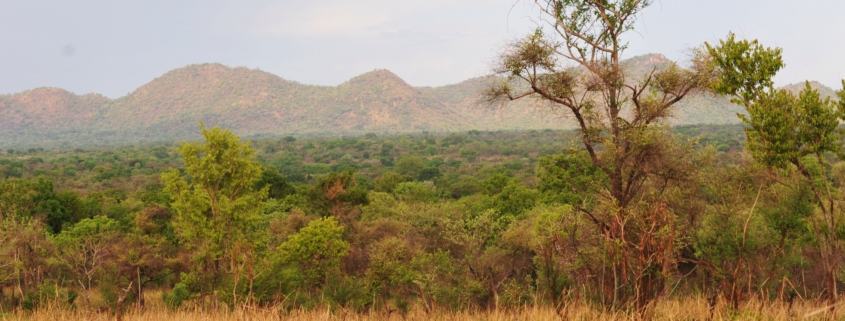
In our last blog post titled Leave No ‘R’ Behind: Understanding the Importance of Fostering Resilience I in the Context of Fragility, Conflict, and Violence, we discussed how experiences and understanding of resilience differ across different levels of society. Building on that discussion, the following discussion explores programmatic approaches that can be used by the World Bank and other development and aid partners to foster resilience. Several elements of program design and implementation can be…
This context update aims to support a conflict-sensitive approach to decision making by aid actors and policy makers in South Sudan through an improved understanding of South Sudan’s context, conflict dynamics and how aid actors interact with the context. The analysis by the Conflict Sensitivity Resource Facility (CSRF) is based on secondary data from various sources and qualitative data from some key informant interviews. This analysis covers a 3-6 month period (October 2021-March 2022), and…
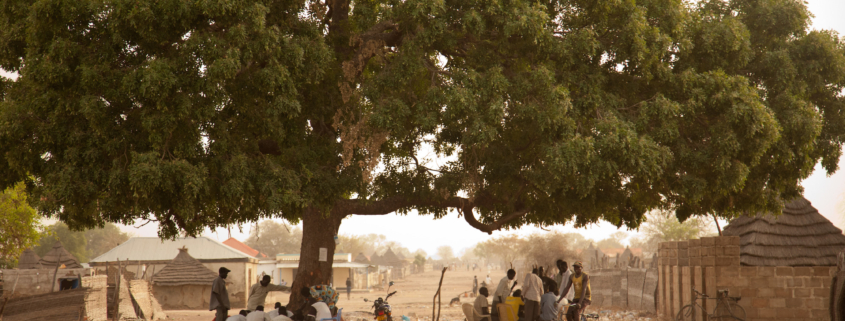
Despite the signing of the revitalized peace agreement in 2018, violence continues to impact communities across South Sudan. Almost 4 million South Sudanese are displaced, including 1.7 million internally displaced people and 2.3 million refugees abroad, with women and children disproportionately affected. In the face of these challenges, however, communities across the country continue to draw on both established and new strategies to face the impacts of fragility, conflict, and violence (FCV). These strategies offer…
This paper is one of four case studies commissioned by the CSRF in February 2022 to better understand where and how contributions to conflict sensitivity have been made, and to draw out lessons for future engagement by the CSRF or other similar facilities. The case studies examine and compare outcomes at the activity, programme, sector, and paradigm level.
This paper is one of four case studies commissioned by the CSRF in February 2022 to better understand where and how contributions to conflict sensitivity have been made, and to draw out lessons for future engagement by the CSRF or other similar facilities. The case studies examine and compare outcomes at the activity, programme, sector, and paradigm level.
This paper is one of four case studies commissioned by the CSRF in February 2022 to better understand where and how contributions to conflict sensitivity have been made, and to draw out lessons for future engagement by the CSRF or other similar facilities. The case studies examine and compare outcomes at the activity, programme, sector, and paradigm level.